


We’re baaack! A day late - but maybe Friday is a better day for these anyways… what do you think? What’s a better day to get a little slice of literature for your feed? Let us know!
Last Sunday, we had a party that was very lit (erary) — THANK YOU to all of those who shared time, energy, and love with us for the JUNGLE Reading Party. We were floored by the generosity of spirit and poetic celebration all of you brought — these parties have become such a highlight of each issue, we’re lucky and excited to keep going.
These community engagements continue to invigorate and inspire us to get bigger, bolder, and brighter.
Video performances of the night will be here to share shortly. There are a few other announcements that we have cookin’ as well - a new project or two, and possibly some opportunities - but we’ll share more when the time is right (it’s just so much fun to tease!)
For now, let’s mosey on to some kick-ass contemporary poetry, with some stellar insight from the authors into the lives of each poem before they made it to Quibble.
Tinseltown Jungle
by Christina Jurado
Watch a video performance of “Tinseltown Jungle” by Christina below from the JUNGLE Reading Party
Craft Note (From Christina):
“Tinseltown Jungle” has had many lives. What started as an exercise in a poetry class in 2021 has turned into one of my most worked and edited pieces. This poem started as a few sentences; an exercise in describing the scene around me. What has influenced me to keep working on this poem is simply that the world and environment around me, in real life and in the entertainment industry, is ever-changing.
Every few months I revisit this poem to play around with the language or change the form of the piece. Sometimes the changes I’ve made stay in the new versions and sometimes as quickly as I add a line, I take it back out. There have been lines I’ve loved that I’ve taken out because they didn’t work as the piece evolved. Even after submitting it to Quibble Lit and having it accepted and published, there are still changes I could see myself making in the future. I think poetry is a living, breathing art form and even after a piece exists in the world, it can transform into something new.
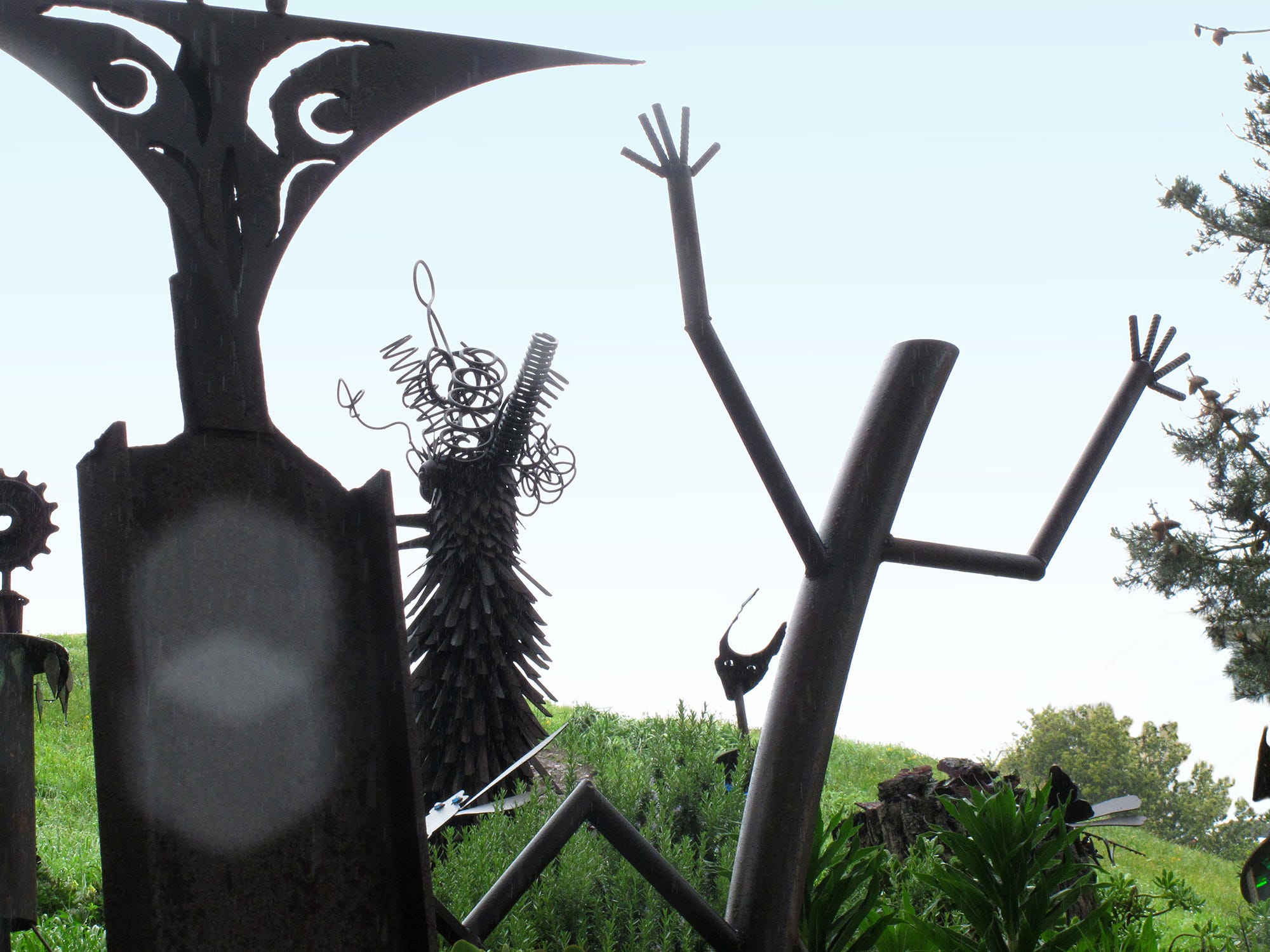
Art: “Run Through the Jungle”
By Najib Joe Hakim
Najib Joe Hakim is a working documentary photographer, artist and photography instructor. Hakim also serves as the President of the Board for the Network of Photographers for Palestine and is a founding member of Class Conscious Photographers. He is the recipient of the Rebuilding Alliance Storytellers Award for a trilogy of projects on Palestine; a Political Art Fellow at the Yerba Buena Center for the Arts; and a past nominee for the US Artist Fellowship.
Website: https://www.jaffaorangephoto.com/
His books are available at: https://bit.ly/MagCloudBookCollection
"I think poetry is a living, breathing art form and even after a piece exists in the world, it can transform into something new.” - Christina Jurado
The Frog Princess
by Sarah Leavesley/James
Craft Note (from Sarah):
The initial connection
For me, there’s something incredibly serendipitous about ‘Frog Princess’. I don’t get
a lot of time to write my own poems these days, so it’s rare for me to come across a
prompt and write in response. But I had an unexpected spare moment when I saw
Quibble Lit’s post and the inspirational art, and creativity did what creativity tends
to do – taking hold wherever there’s a space it might fill.I’m a tactile person, so a notes and first draft(s) by pen(cil) on paper writer. The pen’s movement is important in helping inspiration flow. Once I’d jotted initial reactions, ideas and part-lines, I was in the zone and couldn’t have let go of this even if I’d wanted to. I got on with other things – as tends to be my current creative practice – while my subconscious played with what I had already, sparking further connections and letting new lines/phrases float to the surface, then crossing out and linking different parts every time I add these.
After a few days, I took all this and wrote up an initial full draft on the computer. Not everything made it into this version, and there were bits I was undecided about whether to use or not.
The inspiration pool & refining it
In terms of where inspiration led me, I’m a photographer and love taking pictures of water and sunlight, all the more so when I can get both together. The idea of raindrops holding parts of the surrounding world reflected inside them is not a new fascination, though I’ve not yet managed to take a good photo of this. The fact that the continuous water cycle – rain/precipitation, its evaporation to clouds, then falling again as precipitation – means any drop could have travelled to multiple places in the past has also always intrigued me.
I asked myself what worlds might these particular drops have been to or seen?
Then, what events from my past might any one of them have potentially been
present at? These then combined with the fairytale/love angle from the inspiring art’s title ‘The Frog Prince’. Although the poem draws on two moments from my life, and depression is something I’m more familiar with than I’d like, the narrative isn’t accurately autobiographical. I didn’t want to be restricted by reality but go where the poetry and my emotions took me.I let the alternative ways the poem could go and some phrasings that I couldn’t
decide between settle for a while. Then I re-read, made some cuts, tweaks and
adjustments, and let it settle again briefly, repeating this process until I’d whittled it through five or six drafts.
Structuring my poem & returning to the ekphrastic inspiration
I knew early on that I wanted each stanza in the poem to be like a raindrop, fully contained. I initially tried for each stanza the same size. But the lines and ideas resisted that. To have all stanzas the same length would only work if some enjambed into others. This is like water dripping or flowing, but not the beautiful distinct raindrops in ‘The Frog Prince’. Also, I realised the drops in this image are very different sizes and shapes – as reflected by the final structure of ‘The Frog Princess’. The only identical shape that I held tight to was the same length for the two contrasting moments the poem pivots around.
Admiring the art again, there are other things I wish I’d also written, though I think they would have had to be in a separate poem. The texture in the image is quite incredible. Not just that I could reach out to touch it and my fingers come away wet, but also, the sense that I could stroke it and feel a creature’s skin. Although I can’t honestly say that I’d want to touch a frog – I love watching them, but that’s entirely different – I would, however, love to run my hand across this picture’s skin.
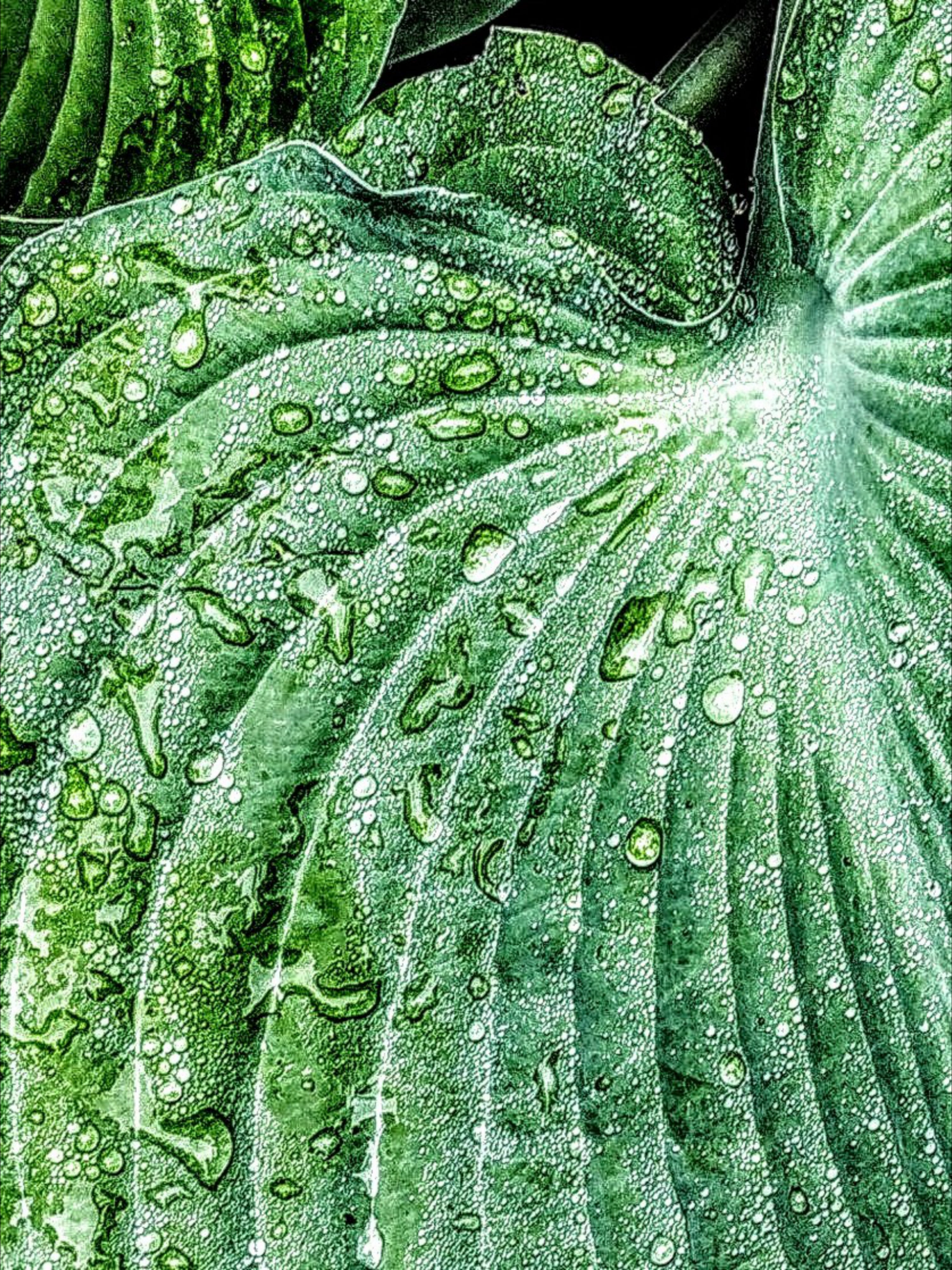
Art: “Frog Prince”
By Carella Keil
Check out Carella’s podcast episode with us, or her written interview for her work guest editing for Ekphrastics in JUNGLE
Thank You for Reading!
Quibble Weekly is Quibble Lit’s free newsletter, bringing two pieces from our latest print issue to your inbox each week. Each feature pairs the work with a brief creator profile and craft note exploring where it began, how it developed, and what shaped the final piece.
Built for readers of new writing and writers curious about process, Quibble Weekly helps us celebrate the people behind the work and extend the life of each issue.
If you’d like to support Quibble, here are a few ways to help the work we’re doing:
Comment on or share a featured piece
Recommend the newsletter to a friend
Follow Quibble Lit on social media
Subscribe to our print issues to support indie publishing & physical media